Lesson 2: Charlie Sifford: The Man Who Broke the Color Barrier
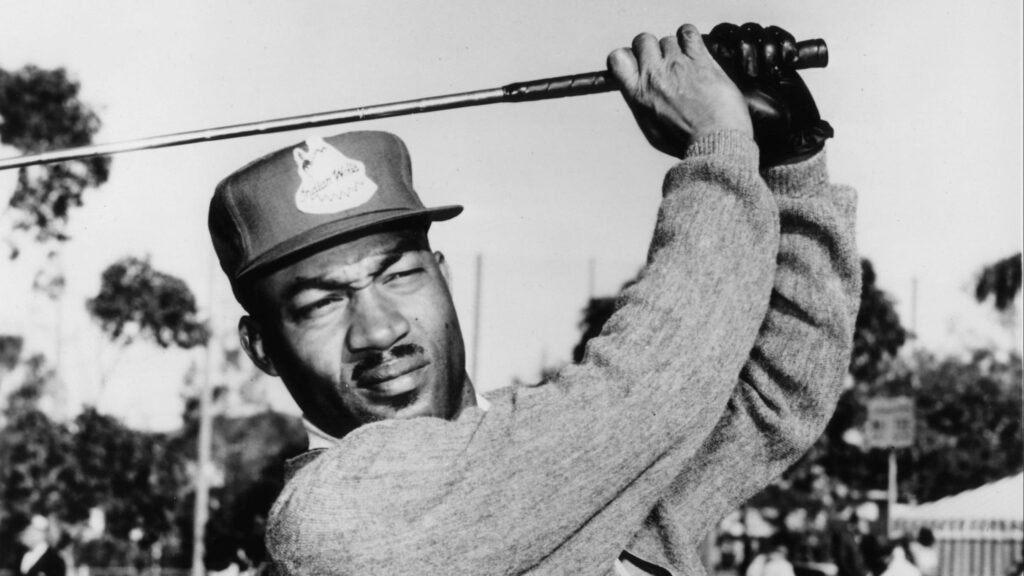
Charlie Sifford was born in Charlotte, North Carolina in 1922. He learned to caddie at a local golf club as a boy, the same way thousands of black children did across the American South – working the game they were not allowed to play.
He was good. Exceptionally good. By the time he was a young man, people who watched him play understood they were watching something special. But the PGA Tour was closed to him. Not because of his ability. Because of his race.
What Sifford Did Instead
While the PGA Tour excluded him, Sifford competed on the United Golf Association (UGA) – an all-Black golf tour founded in 1925 that gave African American golfers a competitive outlet the mainstream tour denied them. He dominated it. He won the UGA National Championship six times.
But Sifford did not accept exclusion quietly. He pushed. He lobbied. He found allies – most notably, California Attorney General Stanley Mosk, who in 1959 threatened legal action against the PGA Tour if it continued enforcing the Caucasian-only clause in California. The PGA quietly stopped enforcing the clause in California that year.
In 1961, facing mounting legal and public pressure. the PGA of America formally removed the Caucasian-only clause from its constitution. The barrier was officially gone. But removing a rule does not automatically open a door.
Breaking Through
In 1960 – before the clause was even officially removed – Sifford became the first African American to compete in a PGA co-sponsored event when he played in the Greater Greensboro Open. He faced hostility. Spectators harassed him. Death threats were made. He played anyway.
In 1967, Charlie Sifford won the Greater Hartford Open – becoming the first Black player to win a PGA Tour event. He was 45 years old. He spent the best years of his competitive career locked out of the tour he should have been playing on.
In 2004, Charlie Sifford was awarded the Presidential Medal of Freedom. In 2014, he became the first Black inductee into the World Golf Hall of Fame.
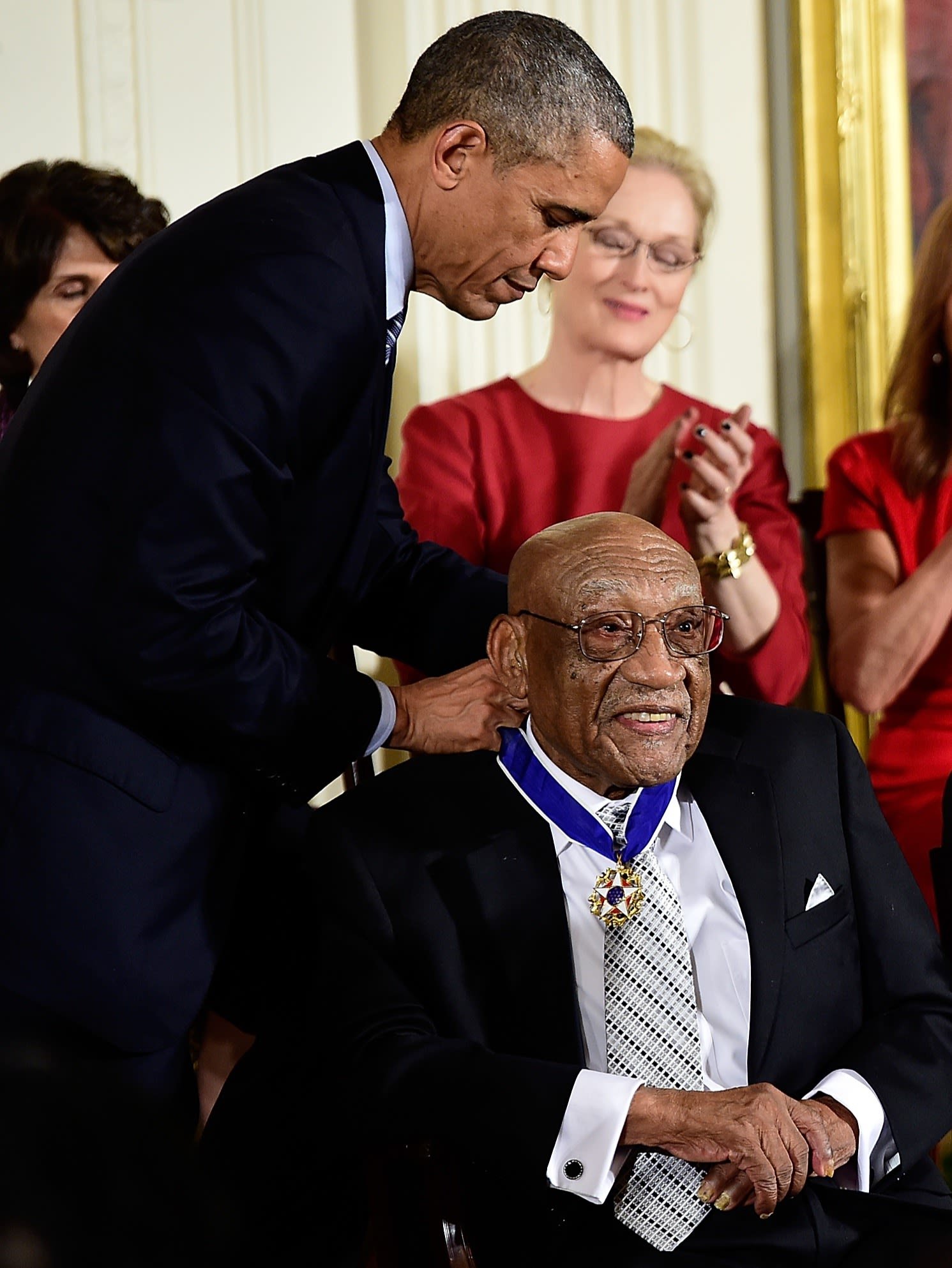
He died in 2015, at age 92.
What His Story Reveals
Sifford’s career is not just a story of personal triumph. It is a story about what exclusion costs – not only the person excluded, but the sport itself. Golf was denied decades of Charlie Sifford’s talent at his peak. The fans who never got to watch him compete at 25, 30, 35 were denied something real.
When we talk about the cost of discrimination, we usually focus on the person harmed. Sifford’s story reminds us that exclusion impoverishes everyone.